FAQ: Countering Drones
Countering drones raises many questions, both technical and regulatory. Here are the answers to the most frequently asked questions.
Tel. 09 72 62 78 50 - 09 72 62 78 50info@flyingeye.fr

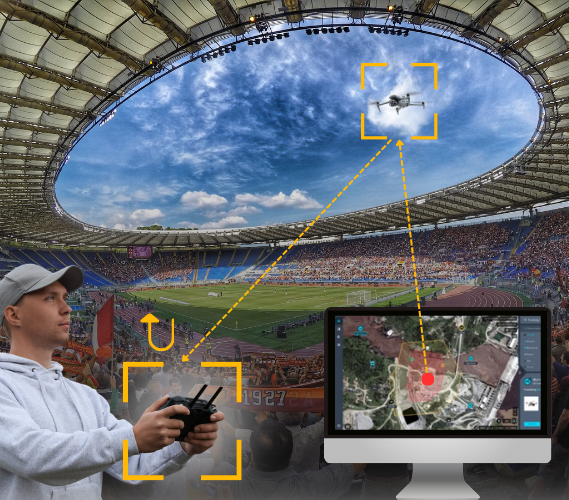
Before taking any countermeasures, the first step is to detect the presence of a drone. Several complementary technologies are available, each with its own advantages and limitations depending on the operational context.
Once the drone has been detected and identified, various neutralization strategies can be considered. The choice depends on the legal framework, the threat level, and the operational context.
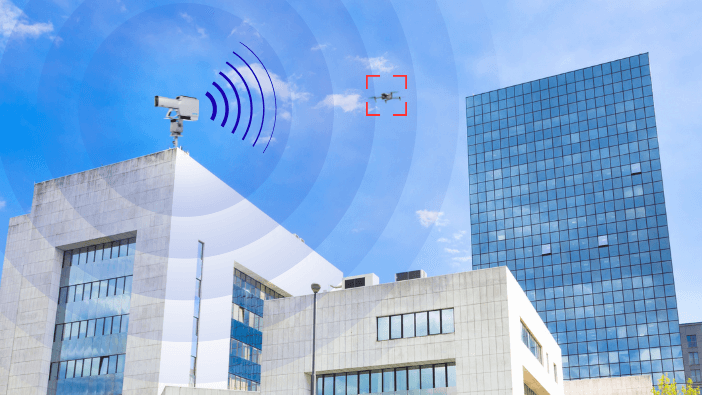
The rapid rise of civilian and professional drones has profoundly transformed many sectors, including inspection, mapping, audiovisual production, security, agriculture, and many others. However, this widespread adoption has brought with it new safety and security challenges. The intrusion of drones into sensitive areas, industrial sites, critical infrastructure, or restricted spaces now poses a major problem for public authorities, private operators, and security stakeholders.
Drone countermeasures encompass all technologies and strategies designed to detect, identify, track, and, if necessary, neutralize a drone operating in an unauthorized area. Contrary to popular belief, this is not merely a matter of “blocking” a flying device, but rather of implementing a comprehensive set of technical and operational measures. Understanding these technologies is therefore essential for any organization facing drone-related risks.
Remote ID (remote identification) represents a major regulatory and technological advancement in the drone ecosystem. This system enables a drone to automatically transmit digital information such as:
This technology functions as an “electronic license plate.” It also makes it easier to identify compliant drones—that is, those that adhere to regulations and are equipped with the required systems.
From an anti-drone perspective, Remote ID offers several benefits: rapid identification, traceability, and the ability to resolve doubts. However, it also has an obvious limitation: a malicious drone may lack Remote ID or use modified devices. Ultimately, while this technology is effective, it cannot serve as a one-size-fits-all solution.
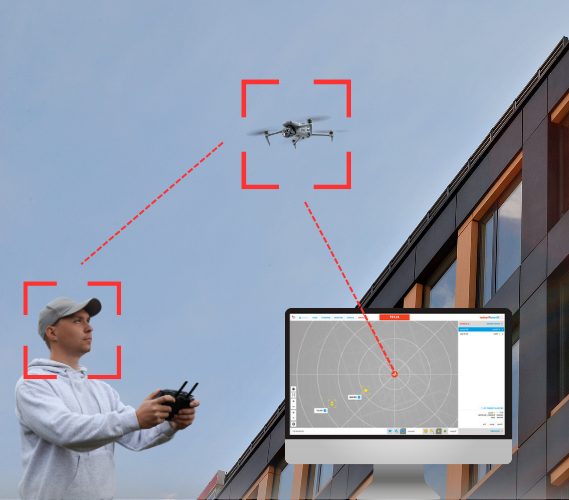
Radio frequency detection relies on analyzing communications between the drone and its remote control. Most drones use radio links to :
RF sensors detect these signals, analyze them, and can sometimes identify the type of device or the protocol being used. This method offers significant advantages :
It is particularly effective for detecting drones before they even come into view in the monitored area. However, some autonomous or pre-programmed drones can limit or suppress these radio emissions, thereby reducing the effectiveness of RF detection.
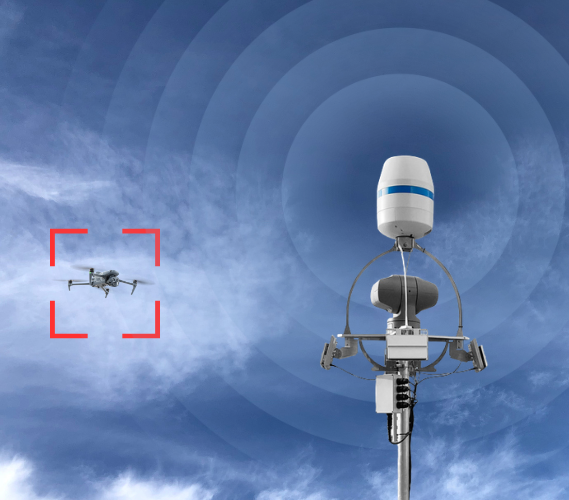
Radar is a technology that has long been used in aviation and defense. When adapted for drones, it enables the detection of moving objects in airspace, regardless of their radio communications.
Its main advantages :
Radar is particularly effective for monitoring large areas or critical infrastructure. However, small drones have a low radar signature, which requires specialized, highly sensitive systems.
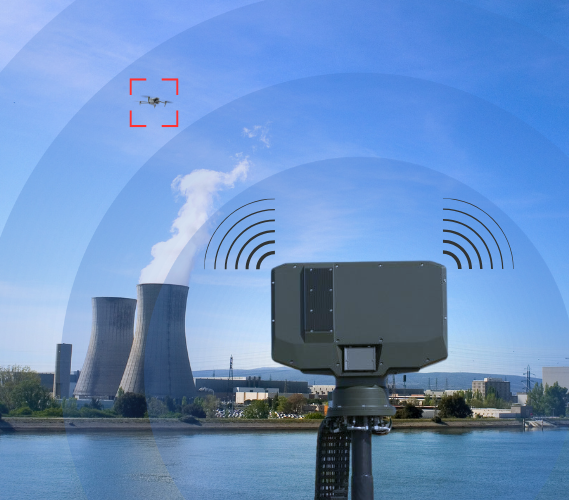
Optronic detection encompasses optical and infrared sensors, such as :
This technology allows users to view the drone directly and obtain visual confirmation. It plays a crucial role in ruling out false alarms and identifying threats.
There are many benefits :
However, performance is highly dependent on environmental conditions (fog, rain, visual obstacles).
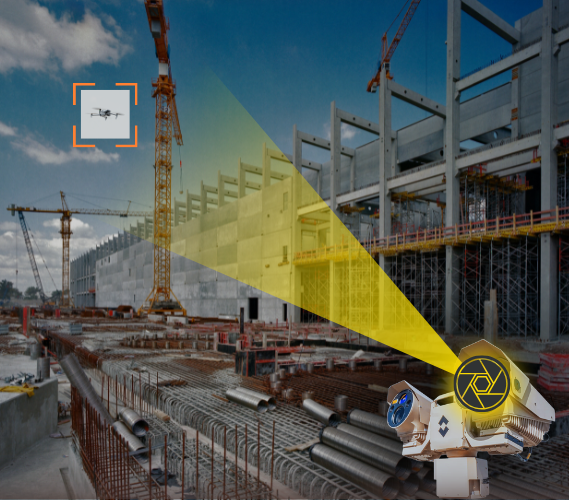
Drones produce a distinctive acoustic signature caused by the rotation of their propellers and motors. Acoustic systems use these characteristics to detect a flying object.
This approach has several advantages :
It is particularly useful in urban environments or when line-of-sight is limited. However, ambient noise can affect accuracy.
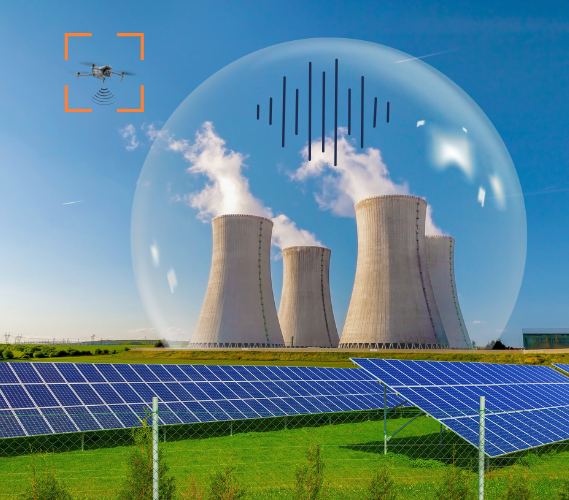
Jamming involves disrupting the drone’s radio communications. This can result in:
This is one of the most widely used methods. It is effective against remotely piloted drones but must be used with caution due to potential interference with other radio systems.
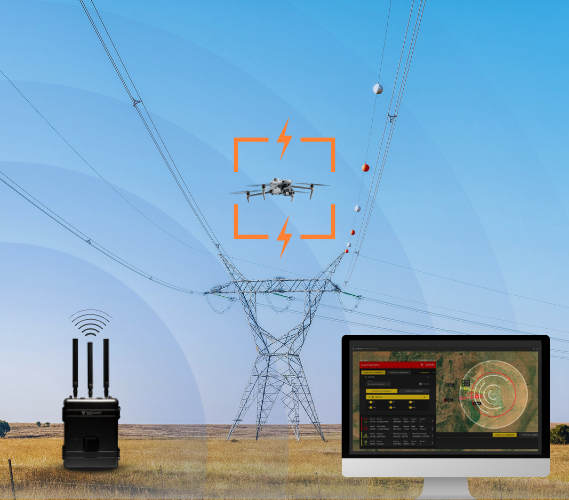
GPS spoofing aims to deceive the drone’s navigation system by transmitting false location data to it. The drone may then:
This technology is particularly sophisticated and requires advanced technical capabilities.
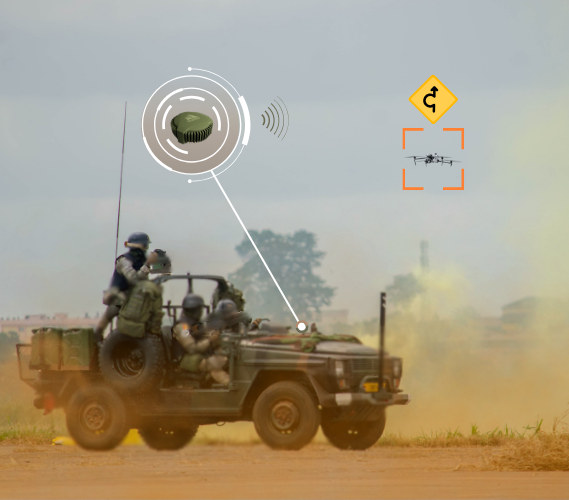
Some solutions allow attackers to take control of the drone by exploiting software or protocol vulnerabilities. This approach can enable:
However, it remains complex and depends heavily on the type of drone being targeted.
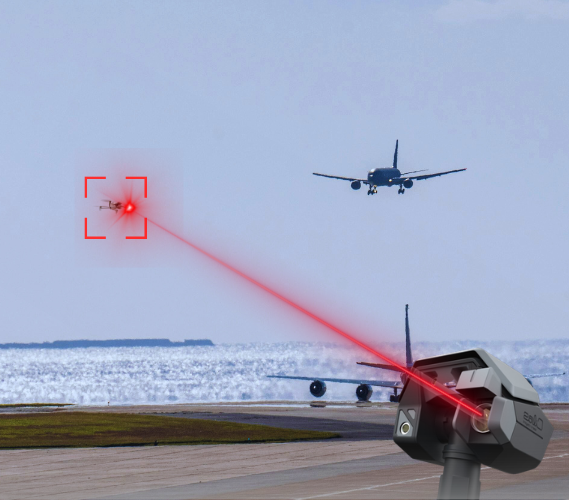
Laser systems use directed energy to damage drone components.
This technology offers:
It is mainly used in specialized or military contexts.
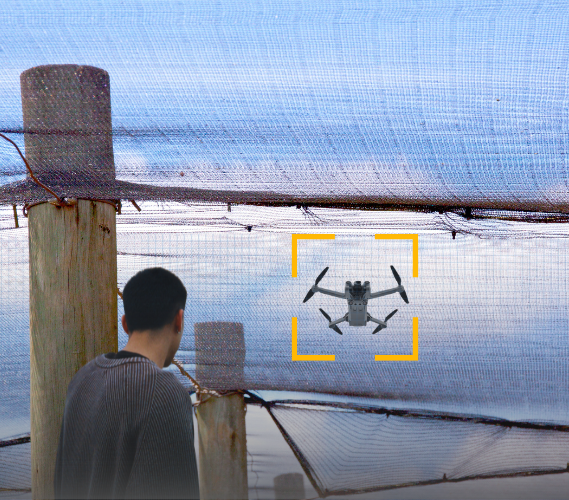
The net is a mechanical device designed to capture the drone in flight. It can be deployed via:
This method has the advantage of minimizing the risk of uncontrolled destruction.
No single technology can guarantee complete protection against malicious drones. Modern anti-drone solutions rely on a combination of sensors and countermeasures :
This multi-layered approach improves reliability, reduces false alarms, and optimizes decision-making.
Countering drones raises many questions, both technical and regulatory. Here are the answers to the most frequently asked questions.
A drone defense system combines technologies that can detect, identify, track, and neutralize a drone operating in a restricted area.
There is no one-size-fits-all solution. Reliable detection relies on a combination of several complementary technologies.
No. The interception of communications is strictly regulated and restricted to certain authorized entities, particularly those involved in national security.
Effectiveness depends on the context. Multi-sensor solutions generally yield the best results.
Industrial sites, critical infrastructure, local governments, high-profile events, and security professionals: the use cases are numerous.
Our experts will help you select professional drones, sensors, and monitoring solutions that are perfectly suited to your operational needs.
If you have any questions or would like a quote for our drones, training courses, or accessories, please contact us by email at info@flyingeye.fr or by phone at 09.72.62.78.50.